






Four Kinds of Beautiful
May 12th, 2010








 March 1, 2024
May 3-5, 2024
July 24-28, 2024
October 1, 2024
October 18, 2024
October 18-20, 2024
November 24-27, 2024
January 24-27, 2025
On April 1, 2025, The Cartoonists Club hits bookshelves and Raina and I hit the road! See my latest blog post for details and a Tour Schedule.
March 1, 2024
May 3-5, 2024
July 24-28, 2024
October 1, 2024
October 18, 2024
October 18-20, 2024
November 24-27, 2024
January 24-27, 2025
On April 1, 2025, The Cartoonists Club hits bookshelves and Raina and I hit the road! See my latest blog post for details and a Tour Schedule.
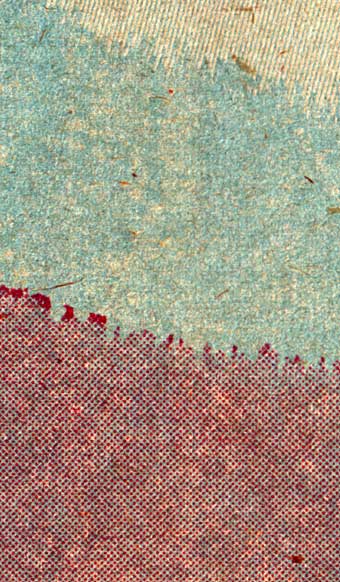



As a graphic arts student working with late 70’s and early 80’s presses, I’ve had the importance of color registration *ahem* impressed on me on a daily basis. It is an exacting manual process, far removed from today’s push-button technology of computer adjustments. If nothing else I’m finding an incredible appreciation for the sheer TIME involved with older printing mechanics — so many, many hours of setup and frustration to ensure readers casually flipping through those comics saw the action and art as opposed to blurred text and patchy color.
And then, on the other hand, I find a heartwarming coziness when confronted with vintage printing gone awry. Halftones running off with each other, smudged dialogue bubbles, streaking solid patches … it somehow breeds maniacal life into the product. The knowledge that someone, somewhere, tried hard to bring this to you, the reader, intact and presentable and failed, showing all too well there is far more than a machine behind the process.